
Proven Results.
Get your rod pumps off tap. Improve and stabilize fillage.
Field Trial Highlights
Primary Response:
Increased and stabilized pump fillage under dynamic downhole conditions.
Reduced gas interference effects.
Secondary Response:
Increased fluid load followed initial stabilization.
The well shifted into a more stable operating regime.
Economic Drivers:
Eliminated pump damage caused by tapping; leads to reduced frequency of interventions.
Captured deferred production: gas interference had historically reduced pump efficiency, deferring the production of an estimated 5 BPD for a 35 day period prior to the field trial.
(download the white paper for full details)
Field results have demonstrated that a rod pump can be taken off tap AND experience increased and stabilized pump fillage.
The pump had been on tap when selected for field trials and despite having higher average fillage than when ‘off tap’, it still suffered from gas locking.
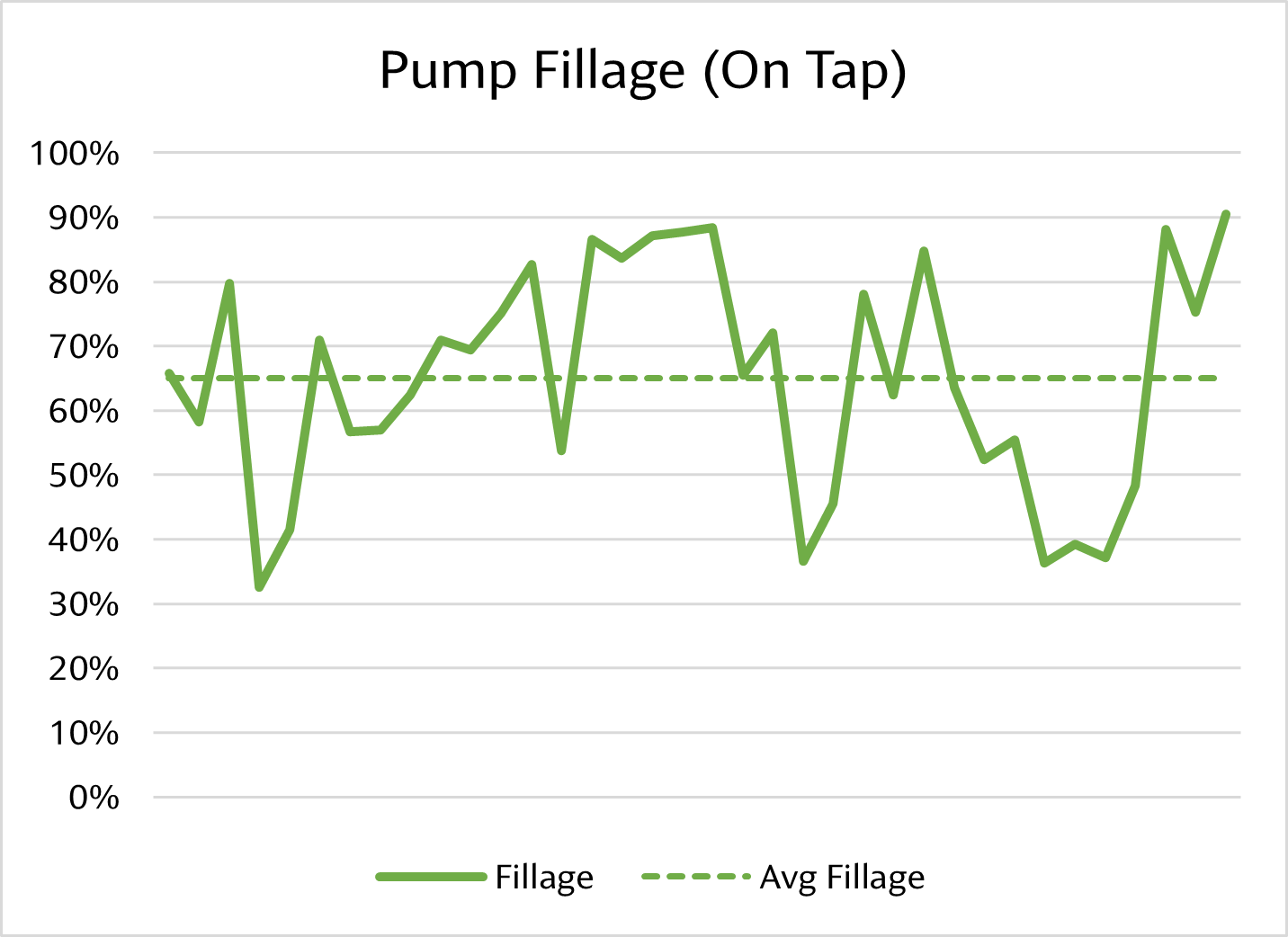
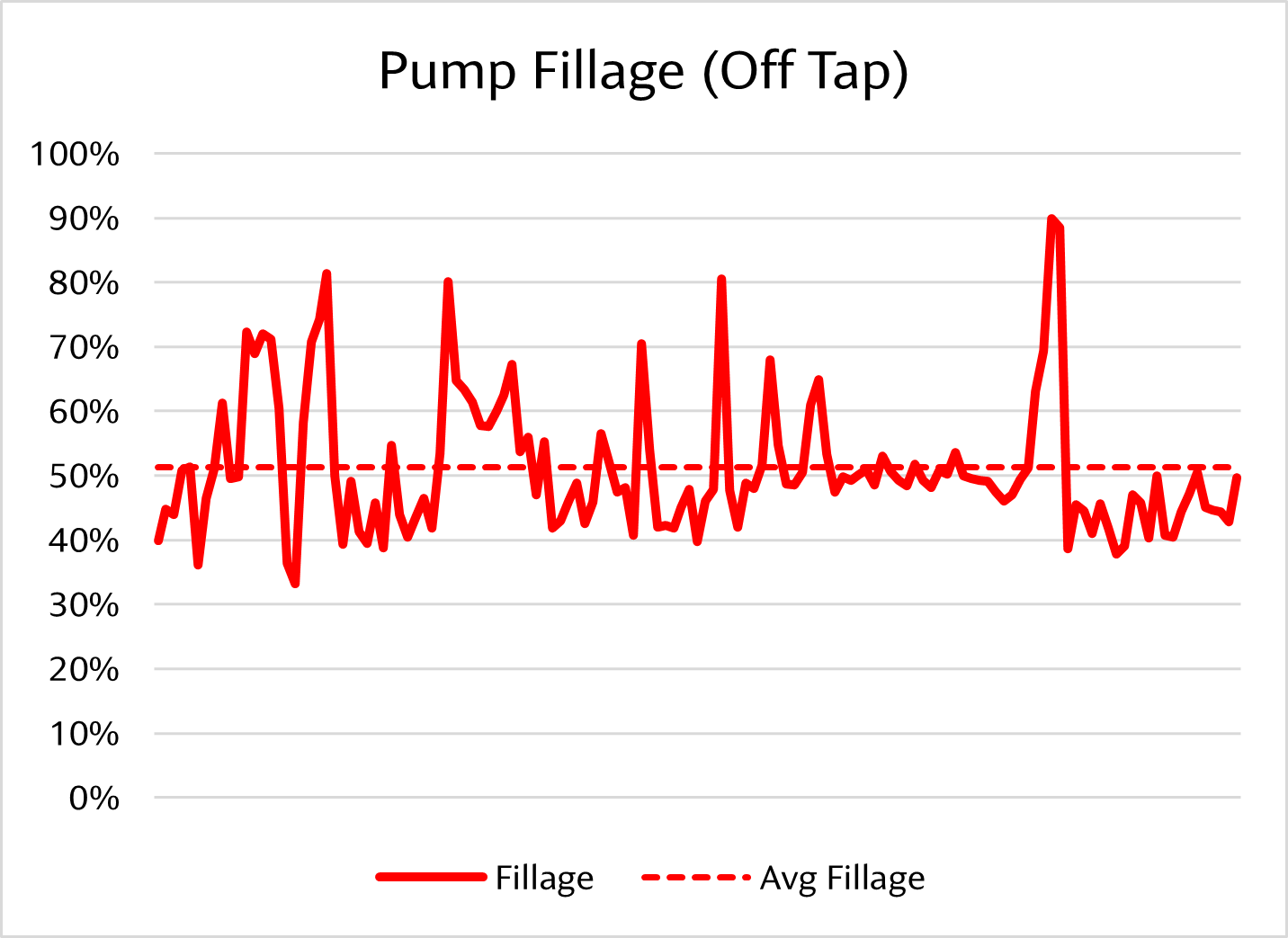
The pump was taken ‘off tap’ to observe any changes to pump behaviour and immediately suffered a drop in fillage due to constant gas locking.
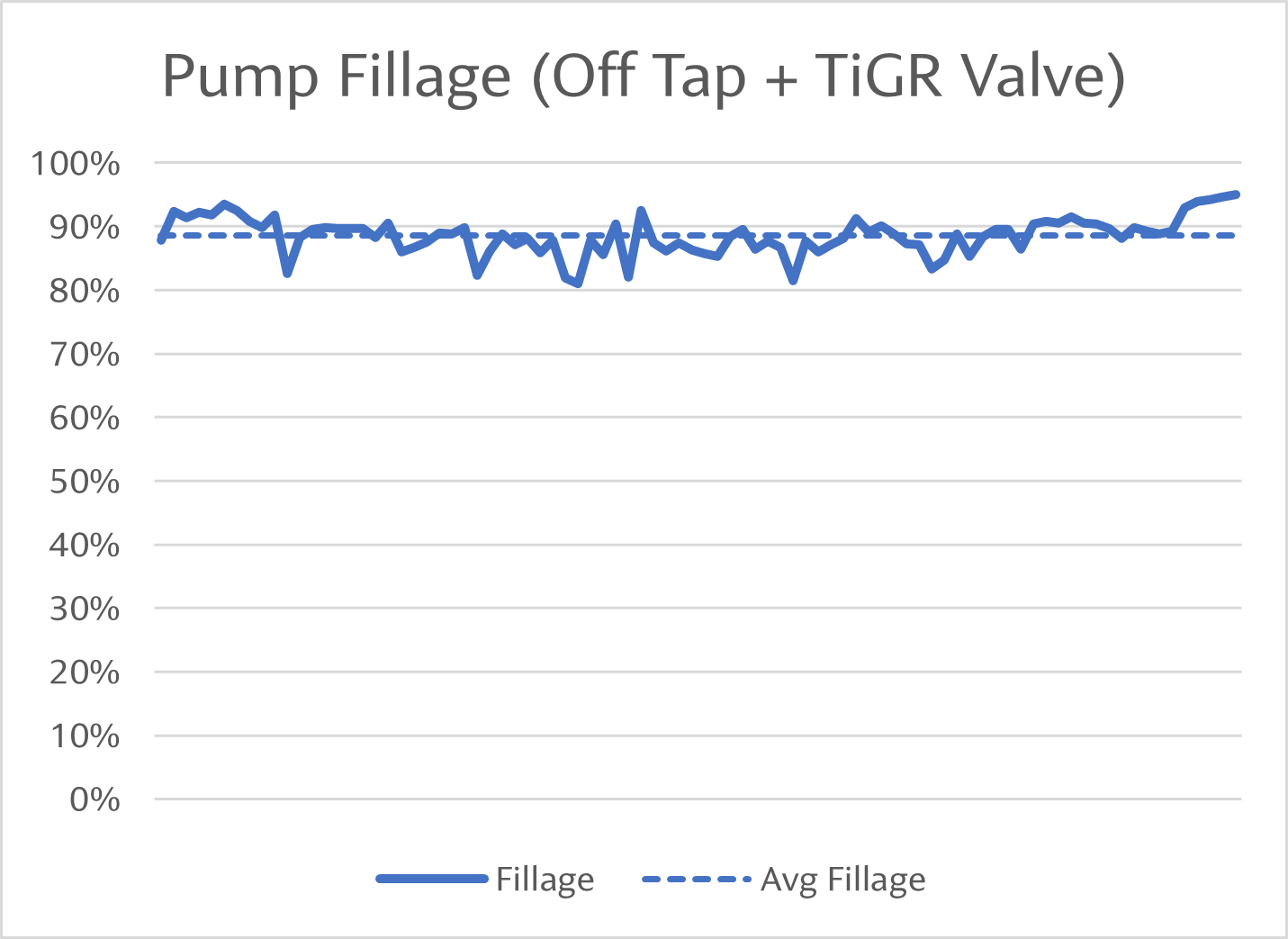
The pump was left ‘off tap’ when the TiGR Valve was installed and there was an immediate increase in pump fillage and consistency.